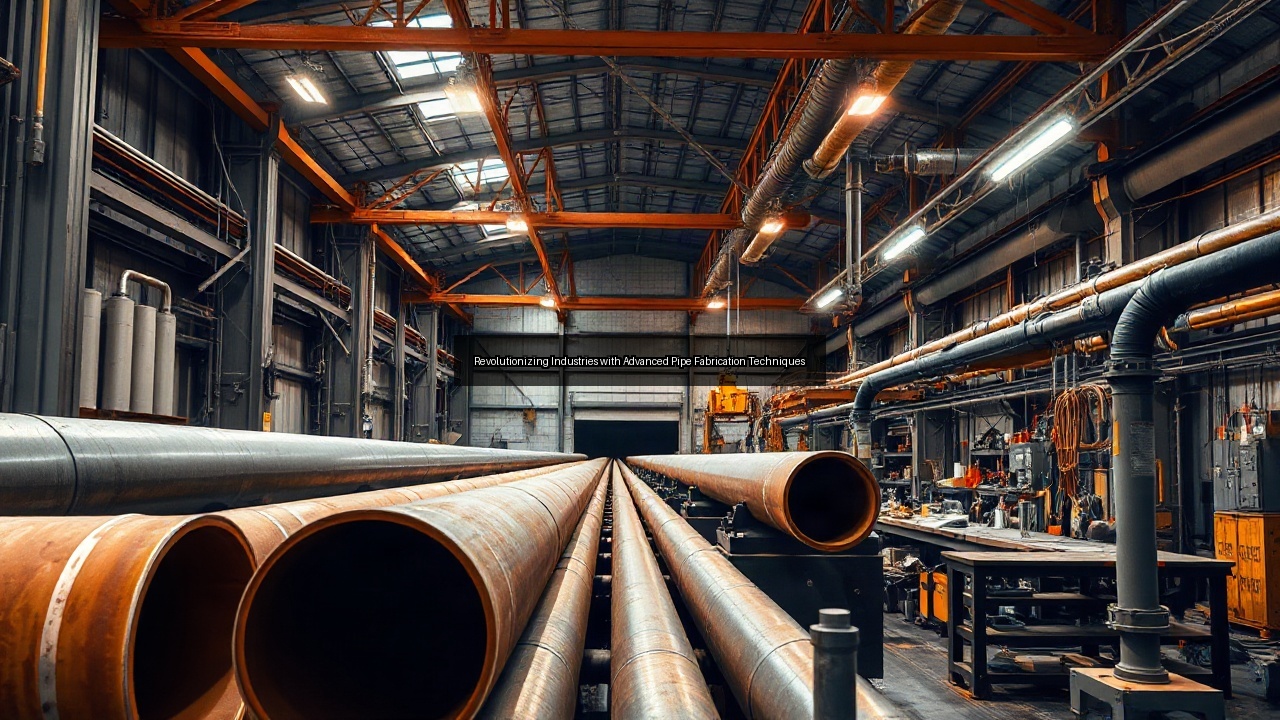
Revolutionizing Industries with Advanced Pipe Fabrication Techniques
The Evolution of Pipe Fabrication Techniques
Historical Overview of Pipe Fabrication
Pipe fabrication has a rich history that dates back centuries, evolving from basic techniques using rudimentary tools to sophisticated methods that dominate today’s industries. Early civilizations utilized simple hand tools to create pipes from clay, wood, and metal. As industrialization progressed in the 18th and 19th centuries, the demand for more durable and efficient piping systems soared. The introduction of iron and later steel revolutionized pipe fabrication, making it possible to transport liquids and gases over long distances safely. The advent of welding techniques further transformed the landscape, allowing for stronger and more reliable joints. This historical evolution laid the groundwork for the advanced pipe fabrication techniques we see today, highlighting the continuous quest for improvement in engineering and manufacturing processes.
Innovations in Materials and Technology
Modern pipe fabrication benefits significantly from innovations in materials and technology. Today, manufacturers utilize advanced alloys and high-strength steel pipes, which enhance durability and resistance to corrosion and extreme temperatures. The introduction of computer-aided design (CAD) software has streamlined the design process, enabling precise modeling and simulation of piping systems before fabrication. This technological advancement minimizes errors and waste, leading to cost-effective solutions. Additionally, the integration of automation in fabrication processes has increased efficiency and consistency, allowing companies to meet the growing demands of various industries. Innovations like 3D printing and advanced machining techniques continue to push the boundaries of what's possible in pipe fabrication, ensuring that companies remain competitive and capable of handling complex projects.
The Shift to Advanced Steel Pipe Fabrication
The shift to advanced steel pipe fabrication marks a significant milestone in industrial manufacturing. Steel pipes offer superior strength and longevity compared to traditional materials, making them ideal for high-pressure applications in industries such as oil and gas, construction, and manufacturing. As industries demand higher quality and more sustainable solutions, advanced steel fabrication techniques provide the necessary flexibility and precision. This shift includes the adoption of automated systems that enhance the speed and accuracy of cutting, bending, and welding processes. Companies that embrace advanced steel pipe fabrication not only improve their operational efficiency but also contribute to sustainability by reducing material wastage and energy consumption. This evolution positions these companies to better meet the challenges of modern infrastructure demands.
Key Advanced Techniques in Pipe Fabrication
Precision Cutting and Bending
Precision cutting and bending serve as the backbone of modern pipe fabrication. Advanced machinery such as CNC (Computer Numerical Control) machines and laser cutters allow for exact dimensions and shapes, ensuring that every piece fits seamlessly into the larger piping system. These technologies minimize human error and reduce material waste, making projects more efficient and cost-effective. Bending techniques have also evolved, with the introduction of mandrel bending methods that maintain the integrity of the pipe while achieving complex angles and shapes. This capability is particularly crucial in applications where space is limited, and custom solutions are necessary. By employing these advanced techniques, fabrication shops can deliver high-quality, durable piping solutions tailored to the specific needs of various industries.
Automated Welding Processes
Automated welding processes represent a significant advancement in pipe fabrication, enhancing both the quality and speed of production. Techniques such as robotic welding have revolutionized the industry by providing consistent and repeatable welds that meet stringent quality standards. Automated systems reduce the number of labor hours required, thus lowering overall fabrication costs while improving safety in the workplace. These welding methods also allow for the handling of large-scale projects with complex geometries, where manual welding may fall short. Companies that invest in automated welding technology can achieve faster turnaround times and increased throughput, making them more competitive in the market. This shift not only increases efficiency but also ensures that the final product adheres to the highest quality standards, vital for industries relying on safe and reliable piping systems.
Quality Control in Fabrication Services
Quality control in fabrication services is paramount, ensuring that every pipe and fitting meets industry standards and client specifications. Advanced pipe fabrication companies implement rigorous quality assurance protocols throughout the manufacturing process. This includes inspections at various stages of production, from raw material selection to final assembly. Techniques such as non-destructive testing (NDT) help identify potential flaws without damaging the product. Additionally, certifications from recognized industry standards, such as ISO and ASME, indicate a company's commitment to quality. By prioritizing quality control, fabrication shops can reduce the risk of failures and costly reworks, ultimately delivering reliable and durable piping solutions. This focus on quality not only satisfies regulatory requirements but also builds trust with clients who depend on the integrity of the piping systems.
Applications of Advanced Pipe Fabrication
Industries Benefiting from Steel Pipe Fabrication
Various industries benefit significantly from advanced steel pipe fabrication techniques. The oil and gas sector relies on robust piping systems for exploration, drilling, and transportation, where durability and resistance to extreme conditions are critical. The construction industry uses fabricated steel pipes for plumbing, heating, and structural applications, ensuring safety and longevity in buildings and infrastructure projects. Additionally, the chemical processing and power generation sectors utilize advanced piping systems to facilitate the safe and efficient transport of fluids and gases. These sectors require precise fabrication techniques to handle unique challenges, such as high pressures and corrosive substances. By employing advanced pipe fabrication methods, these industries can optimize their operations, enhance safety, and improve overall productivity.
Case Studies of Successful Fabrication Projects
Successful case studies illustrate the effectiveness of advanced pipe fabrication in real-world applications. For instance, a major oil company undertook a project requiring the installation of a new pipeline system in a challenging environment. By employing precision cutting and automated welding, the fabrication team completed the project ahead of schedule while adhering to strict safety standards. In another case, a large-scale construction project incorporated advanced fabricated piping for its heating and cooling systems. The use of high-quality steel pipes reduced maintenance costs and improved energy efficiency. These examples showcase how advanced techniques not only solve complex engineering challenges but also deliver tangible benefits in terms of time, cost savings, and enhanced safety.
The Role of Fabrication in Infrastructure Development
Pipe fabrication plays a vital role in infrastructure development, serving as the backbone for numerous essential systems. Water treatment plants, transportation systems, and energy facilities rely on fabricated piping to ensure the effective distribution of resources. Advanced fabrication techniques enhance the performance and reliability of these systems, allowing for the efficient handling of water, gas, and energy. As cities continue to grow and require upgraded infrastructure, the demand for high-quality pipe fabrication services increases. Skilled fabrication companies that embrace modern technologies will be at the forefront of this development, contributing to smarter and more sustainable urban environments. The ability to deliver customized piping solutions will define the future of infrastructure, making effective pipe fabrication an essential component of successful development projects.
Choosing the Right Pipe Fabrication Company
Factors to Consider When Selecting a Fabrication Shop
Selecting the right pipe fabrication company is crucial for the success of any project. Key factors to consider include the company’s experience, reputation, and range of services. A well-established fabricator with a proven track record in various industries can provide valuable insights and expertise. Additionally, assess the company’s certifications and compliance with industry standards, as these indicate a commitment to quality and safety. The availability of advanced technology and equipment is another critical factor, as it directly impacts the efficiency and quality of production. Finally, consider the company's customer service and communication practices, as these elements are vital for collaboration and project success. Taking the time to evaluate these factors ensures you choose a fabrication shop that aligns with your specific needs and project requirements.
Comparing Pipe Fabrication Services and Pricing
When comparing pipe fabrication services, pricing plays a significant role in decision-making. However, it’s essential to look beyond the initial cost and assess the overall value offered by each company. Request detailed quotes that outline the scope of work, materials used, and any additional services included. This transparency allows for a more accurate comparison of different fabricators. Consider the quality of materials, fabrication techniques, and warranties provided as part of the pricing structure. While it might be tempting to opt for the lowest price, this can lead to compromises in quality and performance. A thorough analysis of both services and pricing will help ensure that the selected company meets your project’s quality standards and budgetary constraints.
Future Trends in Pipe Fabrication Companies
The future of pipe fabrication companies will likely be shaped by several emerging trends. Increasing automation in fabrication processes will continue to enhance efficiency and precision, allowing companies to meet the growing demands of diverse industries. Sustainability will also become a focal point, with fabricators exploring eco-friendly materials and processes to reduce their carbon footprint. Additionally, the integration of digital technologies, such as Internet of Things (IoT) and artificial intelligence (AI), will enable real-time monitoring and predictive maintenance of piping systems. These advancements will ensure that fabrication companies remain competitive and capable of addressing the evolving needs of their clients. As industries push for innovation and sustainability, pipe fabrication will play a crucial role in shaping the future of manufacturing and infrastructure development.