The Role of Surface Finishing in Enhancing Machined Plastic Components
Understanding Machined Plastic Components
Overview of Machined Plastics
Machined plastic components play a crucial role in various industries, offering lightweight, durable, and corrosion-resistant alternatives to metal parts. These components are produced through CNC machining, a process that allows for high precision and repeatability. The versatility of engineering plastics enables manufacturers to create intricate designs tailored to specific applications, from medical devices to automotive parts. The choice of materials and machining techniques significantly affects the final product's performance, durability, and cost-effectiveness. Understanding these factors is essential for engineers and machinists aiming to optimize their designs and production processes.
Types of Engineering Plastics Used in CNC Machining
Numerous engineering plastics are commonly utilized in CNC machining, each offering unique properties suited for different applications. Acrylonitrile Butadiene Styrene (ABS) stands out for its impact resistance and ease of machining, making it ideal for consumer products. Polycarbonate provides exceptional strength and transparency, while Nylon is known for its excellent wear resistance and low friction. Other notable materials include Polyethylene, which excels in chemical resistance, and Polypropylene, valued for its lightweight and flexibility. By selecting the right plastic, companies can enhance the performance and longevity of machined plastic parts, ensuring they meet stringent specifications.
The Importance of Tolerances and Specifications
Precision in tolerances and specifications is vital when producing machined plastic components. CNC machining allows for the creation of parts with tight tolerances, which are critical in applications like aerospace and medical devices. These specifications ensure that components fit together seamlessly and perform reliably under various conditions. Engineers often work closely with machinists to define tolerances based on the intended use and material properties. A detailed understanding of these aspects can prevent costly errors and reduce material waste, leading to more efficient plastic fabrication processes.
The Surface Finishing Process
Common Surface Finishing Techniques for Plastic Components
Surface finishing significantly enhances the functionality and appearance of machined plastic components. Various techniques are employed, including sanding, polishing, and chemical treatments. Sanding removes imperfections and prepares the surface for further treatment, while polishing provides a smooth, reflective finish that improves aesthetics. Chemical treatments, such as vapor smoothing, utilize solvents to melt the surface layer, yielding a glossy finish and reducing surface roughness. Each method serves distinct purposes, and choosing the right technique depends on the desired outcome, whether it's improved aesthetics, increased durability, or enhanced adhesion for coatings.
The Role of CNC Machinery in Surface Finishing
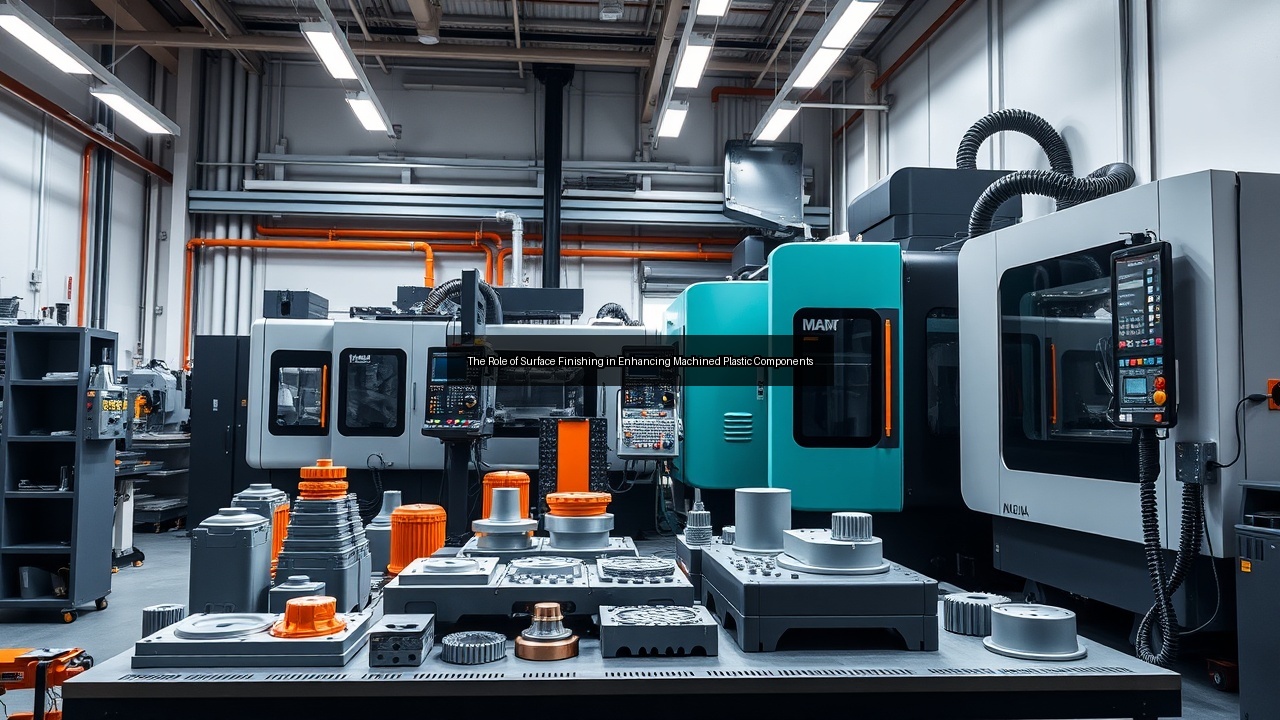
CNC machinery plays an essential role in the surface finishing of machined plastic components. Advanced CNC machines incorporate multiple finishing capabilities, allowing for seamless transitions between machining and finishing processes. This integration enhances efficiency, reduces production time, and minimizes the need for manual intervention. High-speed machining operations can achieve fine surface finishes while maintaining tight tolerances, crucial for high-performance applications. The precision of CNC machinery ensures that finished components meet exact specifications, resulting in high-quality products that stand up to rigorous demands.
How Surface Treatment Affects Performance and Aesthetics
Surface treatment profoundly impacts both the performance and aesthetics of machined plastic components. Treatments like coating or anodizing increase resistance to wear, chemicals, and UV exposure, extending the lifespan of parts used in harsh environments. Aesthetically, surface treatments can enhance the visual appeal of components, making them more attractive for consumer-facing applications. Additionally, improved surface finishes can facilitate better adhesion for paints and adhesives, broadening the scope of customization options. Ultimately, a well-executed surface treatment can transform a standard machined plastic part into a high-performance, visually appealing component. plastic cnc machined components
Applications and Advantages
Industries Utilizing CNC Machined Plastic Parts
CNC machined plastic components find applications across a multitude of industries, including automotive, aerospace, medical, and consumer electronics. In the automotive sector, manufacturers rely on lightweight plastics to reduce vehicle weight and improve fuel efficiency. Aerospace applications utilize high-performance plastics for their strength-to-weight ratio and resistance to environmental factors. The medical industry benefits from the biocompatibility of certain engineering plastics, making them suitable for medical devices and equipment. Consumer electronics leverage the design flexibility of machined plastics, enabling innovative product designs while maintaining functionality and durability.
Benefits of Surface Finishing in Batch Production
Surface finishing offers significant advantages in batch production of machined plastic components. Consistent surface quality across large quantities enhances product reliability and reduces the likelihood of defects. Streamlined finishing processes, often integrated with CNC machining, reduce cycle times and increase overall productivity. This efficiency leads to cost savings, making it feasible for manufacturers to produce high-quality components at scale. Additionally, surface finishing can improve inventory management, as finished products require less time for final assembly, enabling quicker turnaround times and better response to market demands.
Case Studies: Successful Applications of Machined Plastic Parts
Several case studies highlight the successful use of CNC machined plastic components across various sectors. For instance, a leading medical device manufacturer utilized machined plastic parts to create a lightweight, durable housing for an infusion pump. The precise tolerances and surface treatments ensured reliability and compliance with stringent health regulations. In another example, an aerospace company replaced metal components with high-performance polymers, reducing weight and enhancing fuel efficiency. These case studies illustrate how innovation in plastic machining and surface finishing can lead to significant advancements in product performance and market competitiveness.
Future Trends in Surface Finishing Technology
Innovations in Surface Treatment for Plastics
Innovative surface treatment technologies continue to evolve, enhancing the capabilities of machined plastic components. Recent advancements include advanced coatings that improve wear resistance and self-cleaning surfaces that repel dirt and debris. Nanotechnology is on the rise, offering the potential for creating ultra-thin coatings that enhance performance without adding significant weight. Furthermore, digital printing techniques allow for customizable designs and textures, transforming the aesthetic possibilities for machined plastic parts. These innovations enable manufacturers to meet increasingly diverse customer needs while optimizing performance and functionality.
The Impact of Robotics on Surface Finishing Processes
Robotics is revolutionizing the surface finishing landscape, introducing plastic cnc machined components automation into traditionally manual processes. Robotic arms equipped with specialized tools can perform sanding, polishing, and coating with unmatched precision and consistency. This automation not only improves efficiency but also reduces the risk of human error, resulting in higher-quality finished products. As robotics technology advances, manufacturers can expect enhanced flexibility in production, allowing for rapid adjustments to meet changing demands. The integration of robots into surface finishing processes is poised to reshape the future of plastic fabrication.
Sustainable Practices in Plastic Fabrication and Machining
Sustainability is a growing concern in plastic fabrication and machining. Manufacturers increasingly adopt eco-friendly practices to minimize waste and energy consumption. Innovations such as biodegradable plastics and recycling processes are gaining traction, allowing companies to produce machined components with reduced environmental impact. Water-based surface treatments and energy-efficient CNC machinery further contribute to sustainable practices. By prioritizing sustainability, companies not only meet regulatory requirements but also appeal to environmentally conscious consumers, enhancing their brand reputation and marketability.