The Future of Electric Motor Repair in an Automated World
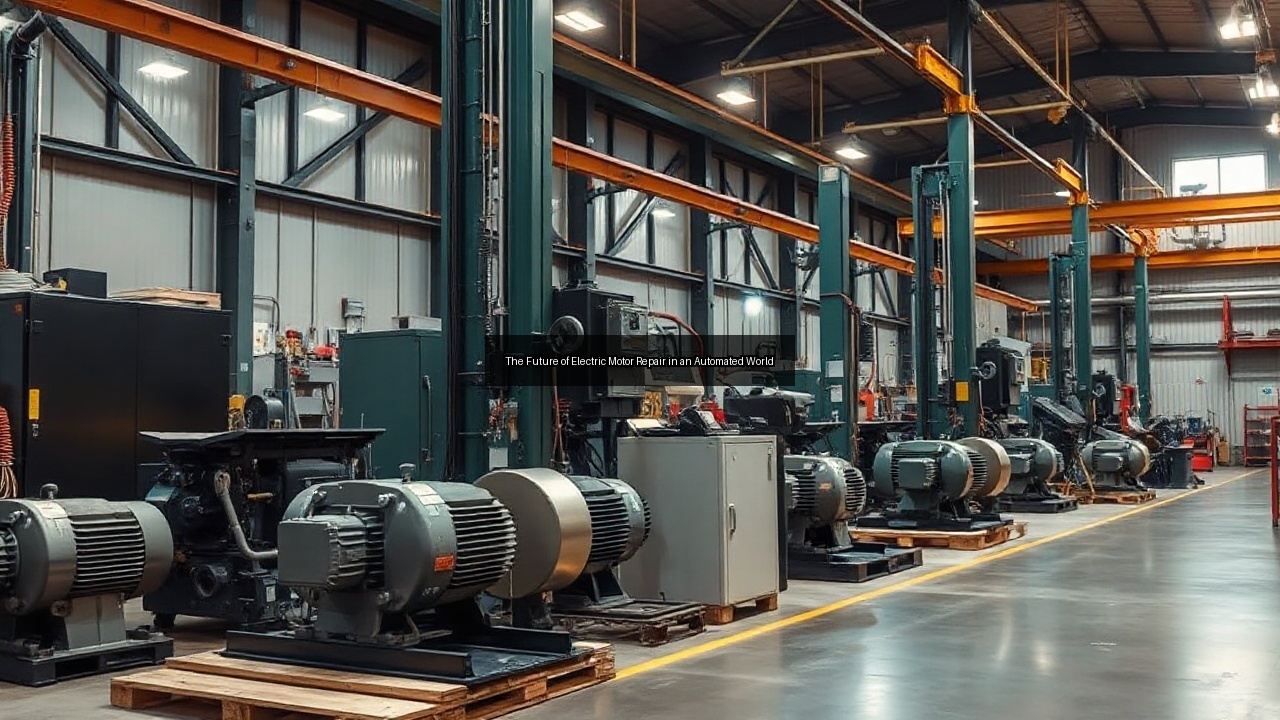
The Evolution of Electric Motor Repair in the Age of Automation
Historical Overview of Electric Motor Repair
Electric motor repair has undergone significant changes since the inception of electric motors in the late 19th century. Initially, repairs were performed manually, often involving labor-intensive processes that required skilled technicians to diagnose and fix issues. Over the decades, the expansion of industrial applications for electric motors led to a rise in demand for efficient repair services. As electric motors powered everything from small appliances to large generators, understanding their mechanics became crucial. Technicians learned to troubleshoot common problems, such as winding failures and insulation breakdowns, often using rudimentary tools. This historical context provides a foundation for understanding how emerging technologies have transformed electric motor repair into a more streamlined and effective process.
Impact of Automation on Manufacturing Processes
Automation has dramatically reshaped manufacturing processes, introducing advanced machinery and robotic systems that increase efficiency and precision. Electric motors play a pivotal role in this transformation, driving everything from conveyor belts to robotic arms. As manufacturing plants integrate automation, the need for reliable electric motor performance becomes paramount. Automated systems require minimal downtime, prompting manufacturers to adopt sophisticated maintenance strategies that include predictive analytics and real-time monitoring. Automation not only enhances productivity but also necessitates a shift in how electric motor repair services are approached. Technicians now focus on ensuring that electric motors operate seamlessly within automated frameworks, highlighting the importance of quick and effective repair and maintenance strategies.
Emerging Technologies in Electric Motor Repair
The landscape of electric motor repair is evolving with the introduction of innovative technologies, which enhance both efficiency and effectiveness. Advanced diagnostic tools, such as thermal imaging cameras and oscilloscopes, enable technicians to identify issues more accurately and swiftly than ever before. Vibration analysis has emerged as a critical technique in assessing the health of electric motors. By analyzing vibration patterns, technicians can detect imbalances or misalignments before they lead to serious failures. Furthermore, the integration of IoT (Internet of Things) devices allows for continuous monitoring of electric motors, providing real-time data that can predict potential failures. Such technologies not only improve the reliability of electric motors but also reduce the frequency of repairs, benefiting manufacturers and service providers alike.
Innovative Approaches to Electric Motor Maintenance
Preventative Maintenance Strategies for Electric Motors
Preventative maintenance stands as a cornerstone of effective electric motor care, minimizing unexpected breakdowns and extending the lifespan of electric motors. This proactive approach involves regular inspections, cleaning, and lubrication to ensure that motors operate at peak performance. Technicians implement schedules based on usage patterns and operational demands, allowing for tailored maintenance plans that fit specific industrial needs. By focusing on preventative maintenance, manufacturers can avoid costly downtime and repair costs associated with sudden failures. This strategy includes monitoring key performance indicators, such as temperature and vibration levels, to predict when maintenance is necessary. As industries increasingly rely on electric motors for critical processes, the emphasis on preventative maintenance becomes vital for maintaining operational reliability.
The Role of Vibration Analysis in Motor Reliability
Vibration analysis has emerged as a powerful tool in the realm of electric motor maintenance, significantly enhancing reliability. By measuring vibration frequencies, technicians can pinpoint anomalies that indicate underlying issues such as misalignment, imbalance, or bearing wear. This non-invasive technique allows for early detection of potential failures, enabling timely interventions before a complete breakdown occurs. Regular vibration analysis not only contributes to improved reliability of electric motors but also aids in optimizing overall system performance. Industries that employ vibration analysis report fewer unexpected outages and extended equipment lifespan, demonstrating its value in maintaining operational efficiency. As technology advances, integrating vibration analysis with automated monitoring systems will only enhance its effectiveness, solidifying its place in modern electric motor service.
Integrating Gear and Switchgear Maintenance
Effective electric motor maintenance extends beyond the motors themselves; it encompasses the associated gear and switchgear as well. Gears, which transmit power from the motor, and switchgear, which controls electrical power distribution, play critical roles in ensuring smooth operations. Integrating maintenance practices for these components leads to a more holistic approach to electric motor repair. Regular inspection and servicing of gears can prevent wear and tear that may adversely affect motor performance. Likewise, maintaining switchgear ensures reliable electrical connections, reducing the risk of overloads and failures. By coordinating maintenance schedules for electric motors, gears, and switchgear, facilities can enhance overall system reliability, leading to improved productivity and reduced operational costs.
Challenges and Solutions in Electric Motor Services
Common Issues in Electric Motor Troubleshooting
Troubleshooting electric motors presents several challenges, often requiring a combination of technical knowledge and practical experience. Common issues include overheating, unusual noises, and performance degradation. Identifying the root causes of these problems can be complex, as they often stem from multiple sources, such as electrical imbalances, mechanical faults, or insufficient maintenance. Technicians must utilize a variety of diagnostic tools and methodologies to isolate the specific issues affecting motor functionality. This multifaceted approach is vital for effective repair and maintenance. Training and continuous education for technicians in the latest troubleshooting techniques remain essential for overcoming these challenges and ensuring that electric motors function reliably within their applications.
The Importance of Repair Services in Industrial Settings
Repair services play a critical role in maintaining the operational integrity of electric motors in industrial settings. As electric motors drive essential machinery, any downtime can result in significant financial losses and reduced productivity. Quick and efficient repair services help minimize these interruptions, ensuring that production lines remain operational. Skilled repair technicians are invaluable in this context, as they possess the expertise needed to diagnose issues accurately and implement effective solutions. Furthermore, establishing strong relationships with reliable motor repair services can provide manufacturers with peace of mind, knowing that their electric motors are in capable hands. As industries continue to rely on electric motors, the demand for specialized repair services will only grow, emphasizing the need for skilled professionals in the field.
Future Trends in Motor Repair Shops
The future of electric motor repair shops will likely reflect broader trends in automation and technology. As industries increasingly adopt smart technologies, motor repair shops will need to adapt by integrating advanced tools and systems. This includes the use of data analytics to inform maintenance decisions and the implementation of remote monitoring solutions that allow for real-time assessments of electric motor health. Furthermore, the rise of electric vehicles and renewable energy sources will create new opportunities and challenges for motor repair services. Shops that embrace innovation, invest in employee training, and prioritize customer service will thrive in this evolving landscape. The focus will shift from traditional repair methods to comprehensive service offerings that encompass repair, maintenance, and continuous improvement, ensuring the reliability of electric motors in an automated world.
See Also
- A Beginner's Guide to Electric Motor Maintenance for Manufacturers
- Preventative Maintenance Tips to Extend the Life of Your Electric Motors
- Exploring the Relationship Between Gear Systems and Motor Efficiency
- The Art of Electric Motor Restoration Techniques You Need to Know
- Automation and Electric Motors How to Keep Your System Running Smoothly