The Future of Hydraulic Systems Driven by Advanced Machining
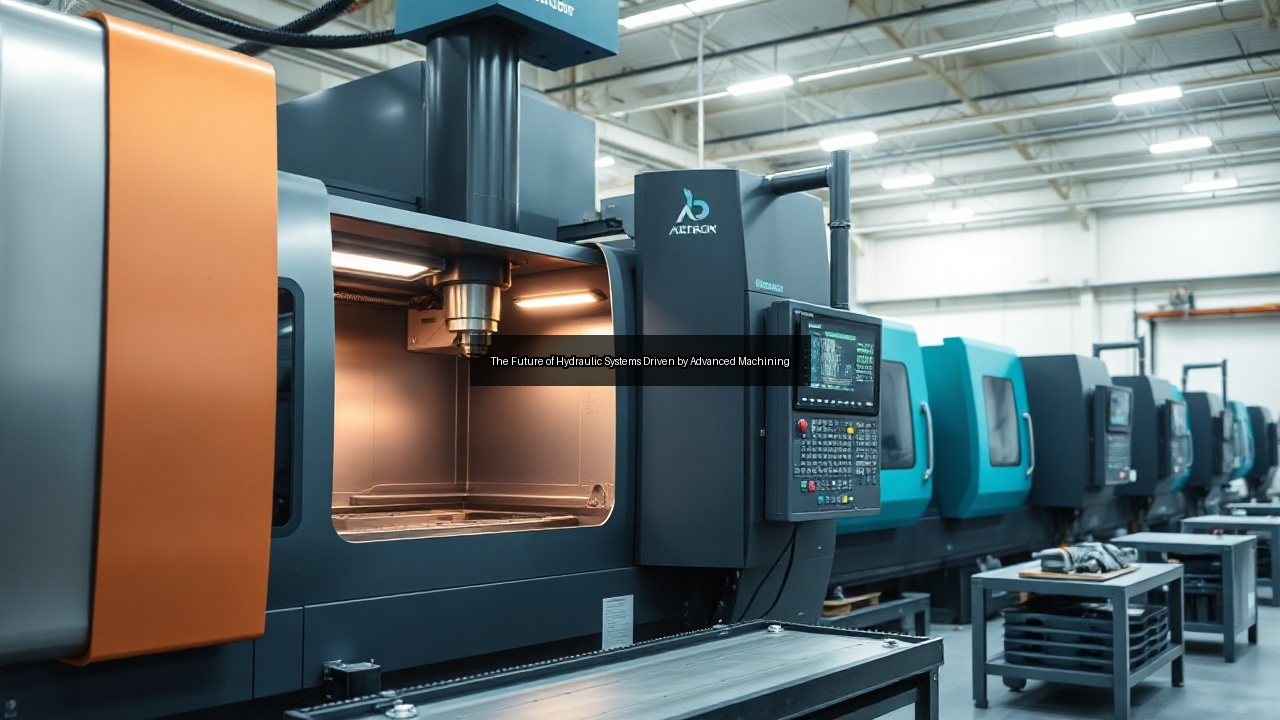
Innovations in Hydraulic Systems Manufacturing
The Role of CNC Machining in Hydraulics
CNC machining revolutionizes the manufacturing of hydraulic systems by providing unparalleled precision and efficiency. This technology allows hydraulic machined parts manufacturers to create components with tight tolerances, which is crucial for the performance of hydraulic systems. CNC machines automate the machining process, reducing human error and increasing production speed. The intricacies of hydraulic systems demand components that not only fit perfectly but also function reliably under pressure. This is where CNC machining excels. It enables manufacturers to produce complex geometries and sophisticated designs that traditional machining methods struggle to achieve. The scalability of CNC machining also means that manufacturers like Hogge Precision can meet varying demand levels without compromising quality.
Advancements in Hydraulic Machined Parts Production
Recent advancements in technology have dramatically improved the production of hydraulic machined parts. Innovations such as multi-axis CNC machining allow for more complex parts to be manufactured in a single setup, reducing production time and costs. Additionally, the integration of additive manufacturing techniques complements traditional machining methods. This hybrid approach enables manufacturers to create lighter components that maintain strength and durability. For instance, using 3D printed prototypes can streamline the design phase, allowing for rapid iterations. Manufacturers like McCormick Industries have embraced these advancements, showcasing how modern technology can enhance the efficiency and effectiveness of hydraulic system components. As the industry continues to innovate, the ability to produce high-quality hydraulic machined parts will only improve, driving overall system performance.
Case Studies: Success Stories from Hogge Precision and McCormick Industries
Hogge Precision and McCormick Industries serve as prime examples of how advanced machining technologies can transform hydraulic systems manufacturing. Hogge Precision has implemented state-of-the-art CNC machines to enhance the accuracy and consistency of their hydraulic machined parts. Their commitment to quality assurance ensures that each piece meets rigorous standards, which is critical for hydraulic applications. McCormick Industries, on the other hand, utilizes a combination of CNC lathes and milling techniques to optimize production workflows. Their agile manufacturing processes allow them to respond swiftly to changing market demands while maintaining high-quality output. Both companies demonstrate that investing in advanced machining technologies not only leads to superior product quality but also drives business growth and customer satisfaction in the competitive hydraulics marketplace.
Quality Assurance in Hydraulic Machined Parts
Importance of Quality Control in Hydraulic Systems
Quality control stands at the forefront of hydraulic systems manufacturing. The intricate nature of hydraulic systems means that even minor defects in machined parts can lead to catastrophic failures. Therefore, hydraulic machined parts manufacturers must prioritize quality assurance at every stage of production. Implementing rigorous testing protocols and inspections ensures that each component meets precise specifications. This attention to detail is vital for maintaining the integrity of hydraulic systems, which often operate under high pressure and dynamic conditions. Manufacturers who invest in comprehensive quality control processes not only enhance the reliability of their products but also build trust with their customers. In a field where precision is paramount, quality assurance serves as both a safeguard and a competitive advantage.
Techniques for Ensuring Precision in Machining
To achieve the high standards required for hydraulic machined parts, manufacturers employ various techniques aimed at ensuring precision. One effective method is the use of advanced metrology tools that measure dimensions with extreme accuracy. These tools help identify any deviations from specifications during the machining process, allowing for immediate corrective actions. Additionally, implementing statistical process control (SPC) can help monitor production processes in real time, ensuring consistent quality. Regular calibration of CNC machines also plays a crucial role in maintaining precision. By adhering to these techniques, manufacturers can produce reliable hydraulic components that function optimally in demanding environments. FZE Manufacturing Solutions exemplifies this commitment to quality assurance, demonstrating how meticulous attention to detail can lead to exceptional hydraulic machined parts.
FZE Manufacturing Solutions: A Model for Quality Assurance
FZE Manufacturing Solutions has set a benchmark in the hydraulic systems industry through its rigorous quality assurance protocols. The company employs a systematic approach that incorporates advanced inspection techniques and state-of-the-art machinery. Each batch of hydraulic machined parts undergoes thorough testing against strict quality metrics before leaving the facility. This process not only guarantees compliance with industry standards but also enhances customer confidence in the product. FZE’s commitment to continuous improvement drives them to regularly update their quality assurance processes, ensuring they remain at the forefront of technology and industry best practices. By prioritizing quality control, FZE Manufacturing Solutions reinforces the importance of dependable hydraulic systems in various applications, from industrial machinery to automotive engineering.
Enhancing Efficiency through Advanced Machining Techniques
The Impact of CNC Lathe on Hydraulic Parts Manufacturing
CNC lathes play a critical role in the manufacturing of hydraulic parts, offering significant advantages in efficiency and accuracy. These machines enable manufacturers to produce round and cylindrical components with exceptional precision. The automation inherent in CNC lathes reduces the time required for setup and production, allowing manufacturers to achieve higher output levels while maintaining quality. This efficiency is particularly beneficial in the production of hydraulic components, where consistency is vital. By integrating CNC lathes into their operations, hydraulic machined parts manufacturers can streamline workflows, reduce waste, and ultimately lower costs. The enhanced capabilities provided by CNC lathes not only improve production rates but also allow for the creation of complex designs that meet the evolving needs of the hydraulic systems market.
Milling Techniques: Optimizing Production Time and Costs
Milling techniques also significantly enhance the efficiency of hydraulic parts manufacturing. Advanced CNC milling machines can create intricate designs that are essential for modern hydraulic systems. These machines allow for multi-directional cutting and can handle various materials, making them versatile tools in the manufacturing process. Optimizing milling operations can lead to substantial time savings and cost reductions. Manufacturers can achieve better surface finishes and tighter tolerances, which directly impacts the performance of hydraulic systems. By investing in advanced milling technologies, hydraulic machined parts manufacturers can streamline their production processes, ensuring that they deliver high-quality components in a timely manner. The ability to produce complex parts quickly and cost-effectively positions manufacturers for success in a competitive marketplace.
Future Trends in Machining for Hydraulic Applications
The future of machining in hydraulic applications promises exciting developments that will further enhance efficiency and quality. One trend gaining traction is the integration of artificial intelligence (AI) in machining processes. AI can analyze production data in real-time, predicting maintenance needs and optimizing workflows. This predictive capability minimizes downtime and enhances overall efficiency. Additionally, the rise of smart manufacturing, characterized by interconnected machines and systems, will allow for seamless communication across the production floor, enhancing coordination and reducing lead times. As manufacturers continue to adopt these advanced technologies, the quality and reliability of hydraulic machined parts will improve, driving innovation in hydraulic systems. Embracing these trends will empower manufacturers to meet the challenges of the future and maintain a competitive edge in the evolving hydraulics landscape.
See Also
- The Art and Science of Creating Reliable Hydraulic Machined Parts
- Elevating Efficiency in Hydraulic Systems with Precision Machined Parts
- Quality Assurance in Hydraulic Machined Parts That Stand the Test of Time
- Hydraulic Machined Parts and Their Impact on System Performance
- Quality Assurance Practices That Elevate Hydraulic Machined Parts